
QR Ordering for Small Restaurants in Nepal: Is It Worth It?
QR ordering is not only for big restaurants. Small cafes, momo shops, and local eateries in Nepal can use QR ordering to reduce staff workload, avoid order mistakes, and serve customers faster.

QR Ordering for Small Restaurants in Nepal: Is It Worth It?
Many small restaurants in Nepal still manage orders the traditional way.
A customer sits down, waits for the menu, calls the waiter, gives the order, and waits again while the order is passed to the kitchen.
This system works, but during busy hours it can become slow and stressful.
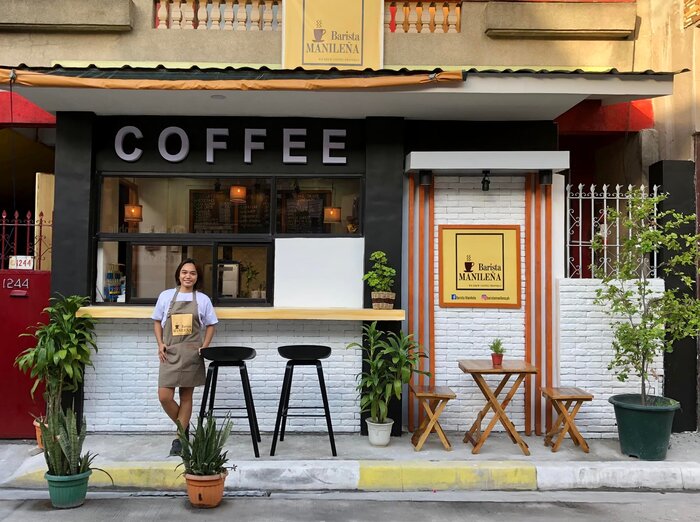
For small restaurants, cafes, momo shops, bakeries, and local eateries, QR ordering can make daily operations easier without needing a large team or expensive setup.
What is QR ordering?
QR ordering allows customers to scan a QR code, view the menu, and place an order from their own phone.
The QR code can be placed on:
- Tables
- Counters
- Walls
- Takeaway bags
- Bill folders
- Social media pages
- Restaurant posters
After scanning, customers can browse the menu, select items, and send the order to the restaurant team.
This makes the ordering process faster and easier for both customers and staff.
Why small restaurants should care
Some restaurant owners think QR ordering is only for big cafes, hotels, or premium restaurants.
That is not true.
Small restaurants often benefit even more because they usually have limited staff, limited space, and high pressure during lunch or evening rush.
A small team may need to handle everything:
- Taking orders
- Serving food
- Cleaning tables
- Managing payments
- Answering customer questions
- Coordinating with the kitchen
QR ordering reduces repeated manual work so staff can focus on service.
Traditional ordering vs QR ordering
| Area | Traditional ordering | QR ordering |
|---|---|---|
| Menu access | Staff brings menu | Customer scans instantly |
| Order taking | Staff writes order | Customer sends order digitally |
| Mistake chance | Higher | Lower |
| Staff workload | More repetitive work | Less repetitive work |
| Menu updates | Requires reprinting | Can update anytime |
| Rush-hour speed | Slower | Faster |
| Customer experience | Depends on staff availability | More self-service and flexible |
QR ordering does not remove staff. It helps staff work better.
1. Customers do not have to wait for the menu
In a small restaurant, even one busy waiter can slow down the full dining experience.
When a customer sits down and the waiter is busy, the customer waits.
With QR ordering, the customer can scan the QR code immediately and start browsing.
This small change can reduce the first waiting gap.
The faster customers see the menu, the faster they can decide.
2. Fewer order mistakes
Order mistakes are common in busy restaurants.
For example:
- One customer says “less spicy”
- Another adds extra chutney
- Someone changes from veg momo to chicken momo
- A group adds one more plate later
When orders are written quickly or passed verbally, mistakes can happen.
With QR ordering, customers select their own items. This makes the order clearer and reduces confusion between the table, staff, and kitchen.
Guessing customer orders should not be part of restaurant operations.
3. Easier menu updates
Small restaurants often change prices based on ingredient cost.
A printed menu becomes outdated quickly when the price of chicken, vegetables, oil, or other ingredients changes.
With a digital QR menu, owners can update prices anytime.
Need to remove an unavailable item? Need to add a new combo? Need to change the price of chowmein?
You can update the menu without printing again.
This saves both time and money.
4. Better for rush hours
Rush hours are when small restaurants feel the most pressure.
Lunch time, evening snacks, and weekend crowds can create long waits and confused orders.
QR ordering helps by giving customers more control.
A simple rush-hour flow can look like this:
- xCustomer scans QR code
- xCustomer views menu
- xCustomer places order
- xRestaurant receives order
- xStaff serves food
- xCustomer gives feedback
This reduces the need for customers to keep calling staff just to place the first order.
5. Helps staff focus on service
In restaurants, good service is still important.
QR ordering does not replace hospitality. It removes repetitive steps.
Instead of spending most of their time taking orders, staff can focus on:
- Greeting customers
- Serving food quickly
- Cleaning tables faster
- Checking if customers need anything
- Managing payments
- Handling special requests
This creates a better experience without needing to hire more people immediately.
6. Customers can explore more items
Printed menus often feel limited. They may not include photos, detailed descriptions, or updated offers.
A digital menu can show items more clearly.
For example:
| Menu section | What you can show |
|---|---|
| Best sellers | Popular dishes customers often order |
| New items | Recently added food or drinks |
| Combos | Value meals and group offers |
| Specials | Weekend or festival offers |
| Add-ons | Extra cheese, chutney, toppings, drinks |
When customers can see more clearly, they may discover items they would not have ordered otherwise.
This can increase average order value over time.
7. Useful for dine-in, takeaway, and social media
QR ordering is not limited to table service.
Restaurants can also use QR menus for takeaway and online promotion.
For example, you can place your menu link on:
- Instagram bio
- Facebook page
- Google Business Profile
- WhatsApp messages
- Posters outside the restaurant
- Food packaging
- Printed flyers
This helps customers check your menu before visiting or ordering.
Raw menu links can also be shared directly, such as:
8. Does QR ordering work for all customers?
Not every customer will use QR ordering, and that is okay.
Some customers may prefer speaking to staff. Some may not have mobile data. Some older customers may still want a printed menu.
A good restaurant can support both.
Keep QR ordering as the main fast option, and keep a few printed menus as backup.
The goal is not to force customers. The goal is to give them a faster choice.
Is QR ordering expensive?
Many small restaurants worry about cost.
But compared to repeated menu printing, slow service, and order mistakes, QR ordering can be a practical investment.
| Cost area | Without QR ordering | With QR ordering |
|---|---|---|
| Menu printing | Repeated cost | Reduced cost |
| Price changes | Slow and costly | Quick update |
| Staff workload | Higher | Lower |
| Order mistakes | More likely | Less likely |
| Customer wait time | Longer | Shorter |
For many small restaurants, the value comes from saving time every day.
How KhajaQR helps small restaurants
KhajaQR is built to help restaurants in Nepal create simple QR menus and smoother ordering experiences.
With KhajaQR, small restaurants can:
- Create a digital menu
- Add food categories
- Add prices and descriptions
- Update items anytime
- Share menu links online
- Place QR codes on tables
- Make ordering easier for customers
It is useful for cafes, momo shops, local eateries, bakeries, food courts, and small family restaurants.
Final thoughts
QR ordering is not only a modern trend. It is a practical tool for small restaurants.
It helps reduce waiting, lower order mistakes, update menus faster, and support staff during busy hours.
Small restaurants in Nepal do not need complicated technology to improve service.
Sometimes, one QR code on the table can make the whole ordering experience smoother.
Quick checklist before using QR ordering
- xAdd QR codes to tables
- xKeep item names simple
- xUse clear prices
- xOrganize menu categories
- xMark unavailable items
- xTrain staff to assist first-time users
- xKeep printed menus as backup
- xReview your digital menu every week
Next step
Apply one checklist this week, then launch your KhajaQR trial and track table-turn time, tickets per hour, and revenue lift.
Want help applying this playbook to your cafe? Contact KhajaQR support for rollout guidance, pricing questions, or a quick product walkthrough.
Continue reading
Previous article
No previous article
Next article
Reduce Billing Wait Time with QR CheckoutRelated posts
5 min read
Reduce Billing Wait Time with QR Checkout
Long billing wait times can frustrate customers after a good meal. QR checkout helps restaurants in Nepal make bill requests, bill review, and checkout coordination faster and smoother.
Read post6 min read
Why Restaurants in Nepal Need a Digital Menu
Digital menus help Nepal restaurants update items faster, reduce printing costs, improve customer experience, and make ordering smoother. Here’s why restaurants should start using QR menus.
Read post